


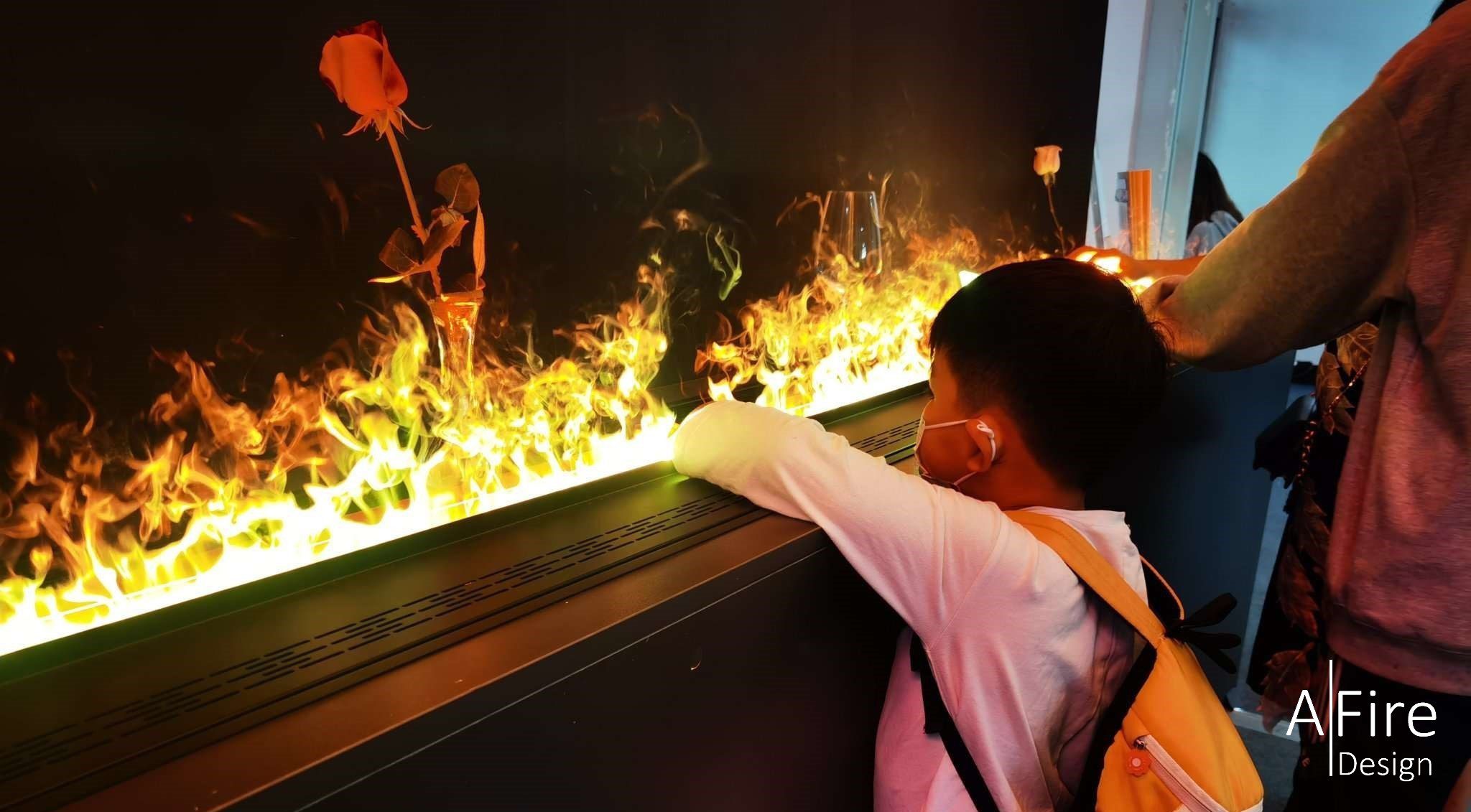
Eco-friendly fireplace, environmentally sustainable inserts & fireplaces
What is an eco-friendly fireplace? For AFIRE, an eco-friendly fireplace is designed with respect for the environment in mind, suitable for everyday use, and based on renewable energy sources and clean technologies. It is also a fireplace that helps reduce pollutant emissions and encourages responsible energy use.
Sustainability is not about sacrifice. It is about addressing environmental concerns by bringing nature and technological progress together. It is an opportunity to reinvent everyday objects by combining sustainable development, innovation and user enjoyment. Yes, sustainability can also be a source of pleasure and well-being!
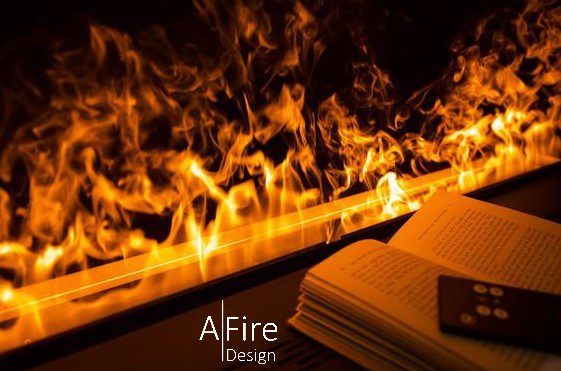
Fireplaces for the Ecological Transition and Sustainable Development
In cities and modern buildings, traditional wood-burning fireplaces and those using fossil fuels are increasingly subject to restrictions. Open wood-burning fireplaces release fine particulate matter and harmful gases, while gas fireplaces also produce emissions from combustion. To protect air quality and improve building safety, many municipalities regulate or prohibit certain types of fireplaces.
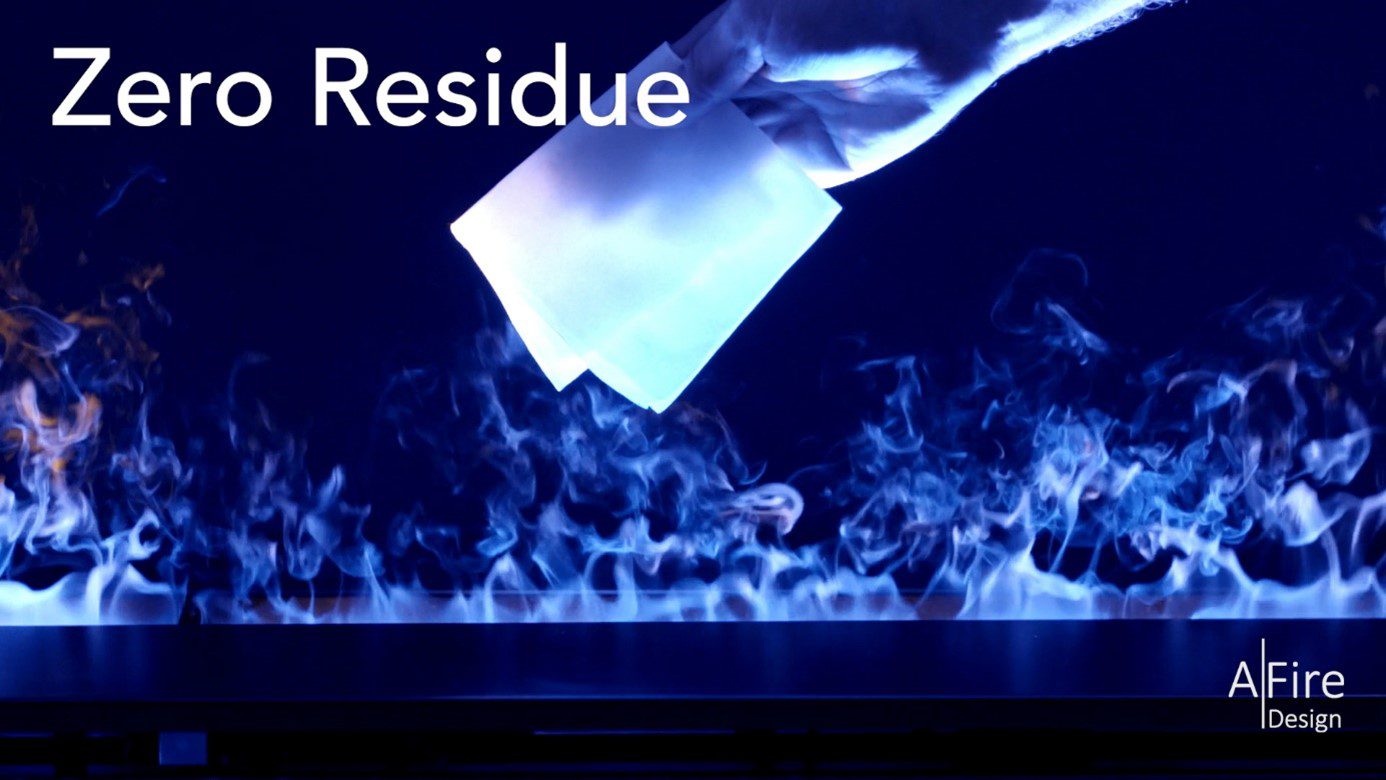
Fortunately, more environmentally friendly alternatives are available. Aquafire® electric water vapor fireplaces create real cold flames by combining water and light, without combustion, smoke or direct emissions of polluting gases. Bioethanol fireplaces, meanwhile, use a renewable plant-based fuel, with controlled combustion and generally very low particulate emissions. These eco-friendly fireplaces preserve the pleasure of flames and create a welcoming atmosphere, even in many urban spaces where traditional fireplaces are difficult to install.

Eco-friendly water vapor fireplace
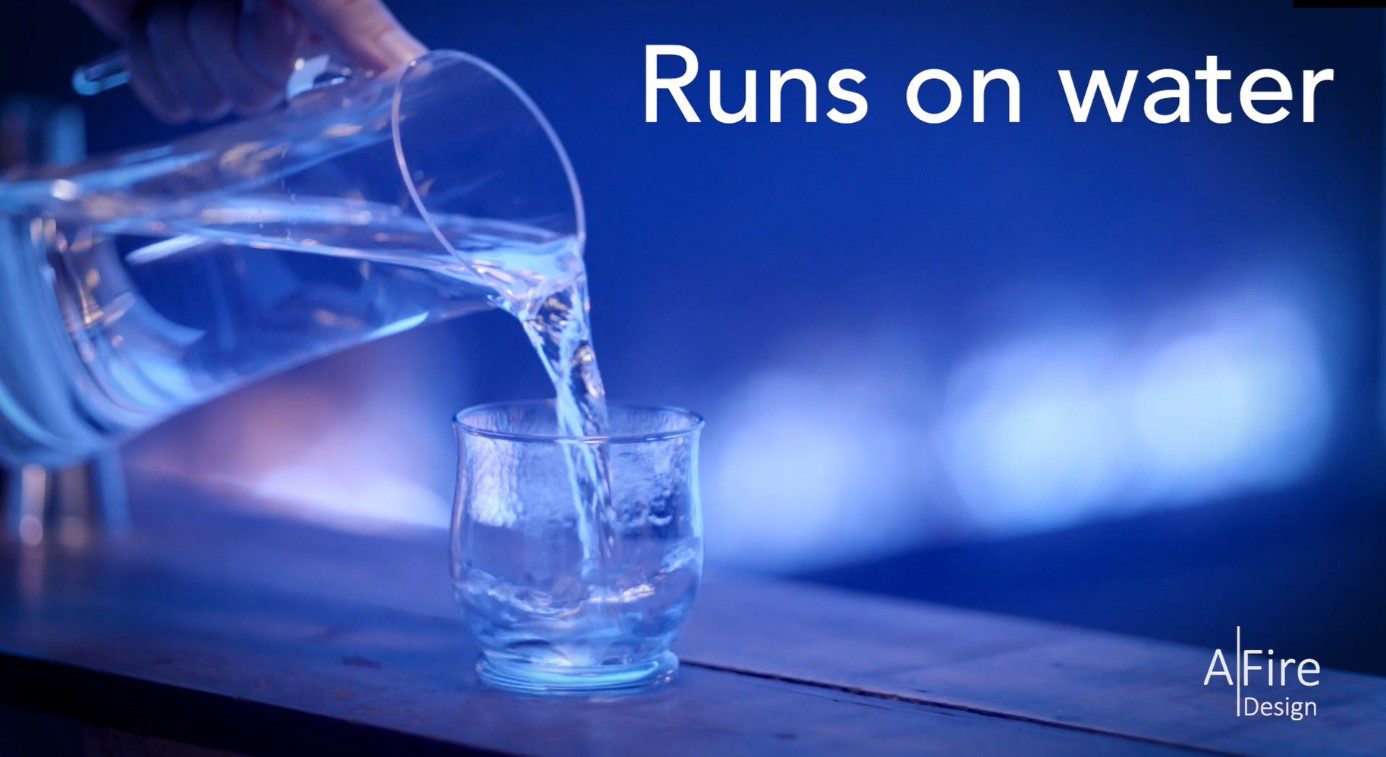
The water vapor fireplace is one of the most remarkable innovations in the field of eco-friendly fireplaces. This environmentally sustainable concept combines water and light to create real cold flames, without combustion or heat production. Aquafire® fireplaces therefore offer an especially high level of safety for families, hotels and public spaces. Unlike traditional wood-burning or gas fireplaces, they produce no smoke, soot or combustion gases such as nitrogen oxides (NOx) or dangerous carbon monoxide. With no direct CO₂ emissions from combustion, they help preserve air quality and reduce pollutant emissions in our environment.
Electric water vapor fireplaces also contribute to sustainable development through their low energy consumption: less than 100 W on average for a 100 cm insert. With no heating function, this energy-efficient and eco-friendly solution is particularly suitable for passive houses and low-energy buildings. Aquafire® fireplaces in the ADVANCE and PRESTIGE ranges also incorporate a UVC water disinfection system designed to limit the growth of microorganisms within the water circuit.
In conclusion, for AFIRE, water vapor fireplaces with real cold flames are among the most sustainable and environmentally friendly decorative fireplace solutions. They combine innovation, safety, energy efficiency and environmental responsibility while preserving the pleasure of flames.

Choose the Right Fireplace for Your Project
Ranges & FAQ
Discover the Aquafire ranges, their key benefits and answers to the most frequently asked questions.
Discover AquafireRecommendations
Identify the Aquafire range best suited to your project, use, expectations and budget.
Our RecommendationsCatalogue & Prices
Browse Aquafire water vapor fireplace models, dimensions, accessories and prices.
Browse the CatalogueComparisons
Compare Aquafire ranges, technologies and the main solutions available on the market.
View the ComparisonsEnvironmentally friendly ethanol burners and fireplaces
Plant-based bioethanol is a renewable energy source. Produced from agricultural biomass, this biofuel offers an alternative to fossil fuels. It burns cleanly, producing no significant soot and very low levels of fine particulate matter, although combustion does release CO₂ and small amounts of other gases. Bioethanol fireplaces and burners were among the pioneers of environmentally friendly ventless fireplaces. This innovation made it possible to create new fireplace installations in homes and contemporary interiors without the constraints of a traditional flue, while respecting the necessary ventilation and safety requirements.
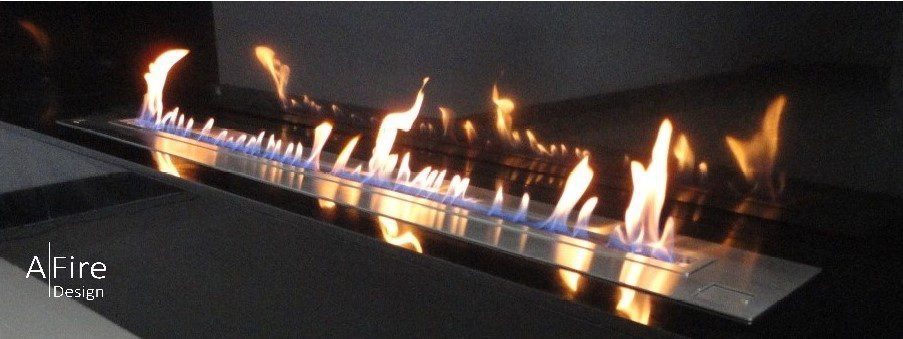
The integration of electronics into AFIRE automatic ethanol burners has also made it possible to better control fuel consumption and enhance safety through intelligent sensors and automated control systems. Produced from renewable agricultural resources, bioethanol contributes to energy diversification and can help reduce dependence on fossil fuels. Bioethanol fireplaces and burners therefore offer a modern, eco-friendly solution that combines technological progress, sustainable development and the pleasure of real flames.
For AFIRE, bioethanol fireplaces represent a credible alternative to traditional wood-burning or gas fireplaces, combining renewable energy, innovation and environmental responsibility. AFIRE, rethink the world of fire!
Eco-friendly fireplaces: a new way to experience fire
Choosing an eco-friendly fireplace means combining the pleasure of flames with environmental considerations and modern lifestyles. In cities and contemporary buildings, where traditional wood-burning or gas fireplaces may face restrictions due to regulations, pollutant emissions or safety requirements, innovative solutions are redefining the place of fire in our interiors.
With Aquafire® water vapor fireplaces and AFIRE® automatic bioethanol burners, two complementary technologies meet different needs: real cold flames without combustion for a purely decorative atmosphere, or real flames that produce heat using a renewable plant-based fuel. Two environmentally responsible approaches that combine innovation, comfort and respect for the environment.
For AFIRE, sustainable development does not mean giving up the pleasure of flames, but creating fireplaces that are better suited to our times and our environment.