



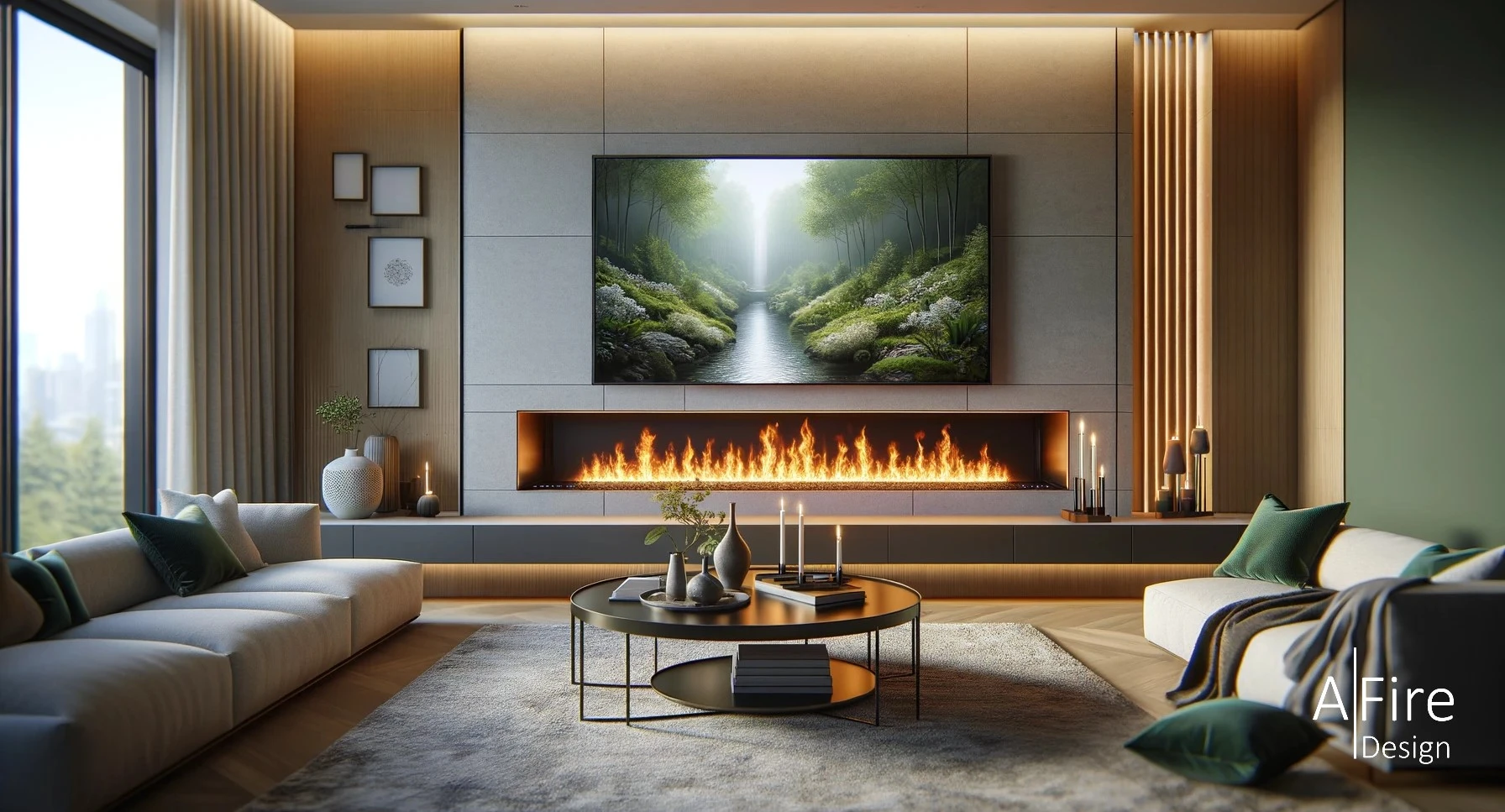
What are the pros and cons of water vapor fireplaces?
Discover the advantages and disadvantages of water vapor fireplaces. These decorative fireplaces create the spectacle of fire using water and light, with no combustion and no chimney or flue. Their cool flames, low electricity consumption, and exceptional design flexibility make it possible to create a striking focal point in any room without the constraints of a traditional fireplace.
But what are their real advantages and limitations? Safety, energy consumption, design, operation, maintenance, and the absence of heat: discover the essential points to consider before choosing a water vapor fireplace.
Safety of Cold Water Vapor Electric Fireplaces
Safety is one of the main advantages of water vapor electric fireplaces. Their flames are cold, and no combustion is required to create the fire effect. This means there are no real flames, no glowing embers, and no burning fuel—the sources of burn and fire risks associated with traditional fireplaces.
This is particularly important around children or vulnerable individuals, as well as in public spaces such as hotels, restaurants, and shops. Water vapor technology therefore makes it possible to enjoy the spectacle of fire without introducing a source of combustion into the space.
An Eco-Friendly Fireplace with Zero Pollution
Water vapor fireplaces operate using water and electricity, with no combustion whatsoever. They use no wood, gas, or bioethanol and therefore produce no smoke, soot, or ash from combustion. This makes it possible to create a realistic fire effect in any living space without affecting indoor air quality with combustion by-products.
This technology also eliminates the need to store, handle, or replenish fuel. The water used to create the flames is simply tap water, while electricity consumption remains very low when no heating system is used.

Choose the Right Fireplace for Your Project
Ranges & FAQ
Discover the Aquafire ranges, their key benefits and answers to the most frequently asked questions.
Discover AquafireRecommendations
Identify the Aquafire range best suited to your project, use, expectations and budget.
Our RecommendationsCatalogue & Prices
Browse Aquafire water vapor fireplace models, dimensions, accessories and prices.
Browse the CatalogueComparisons
Compare Aquafire ranges, technologies and the main solutions available on the market.
View the Comparisons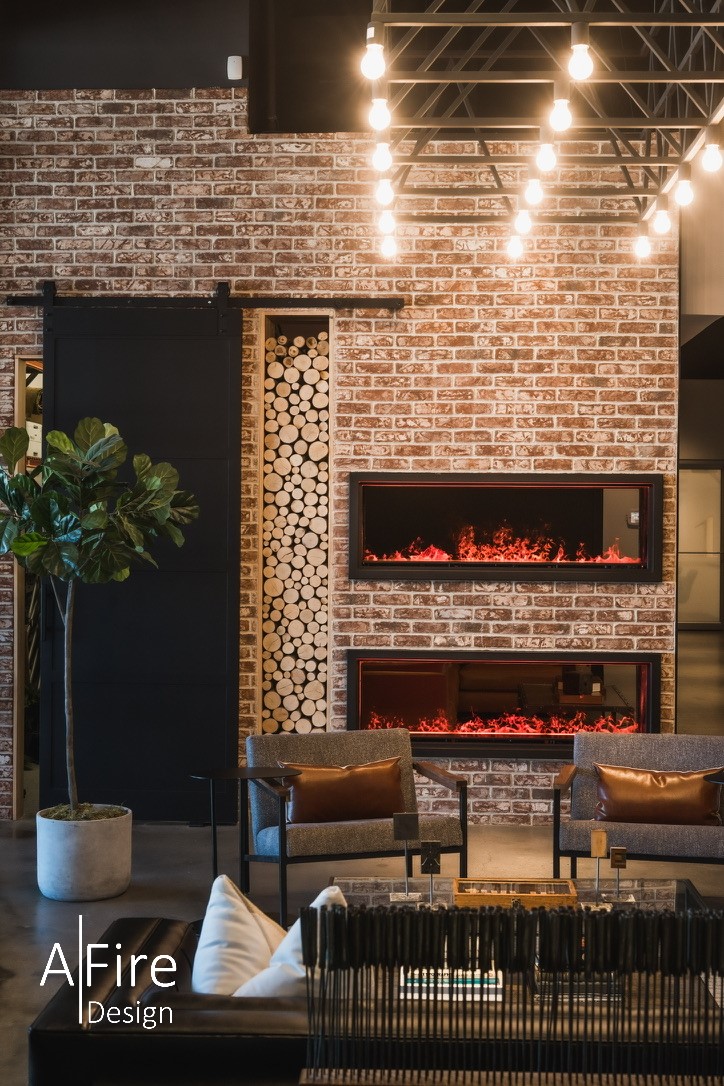
Advantages of Water Vapor Fireplaces in the World of Design
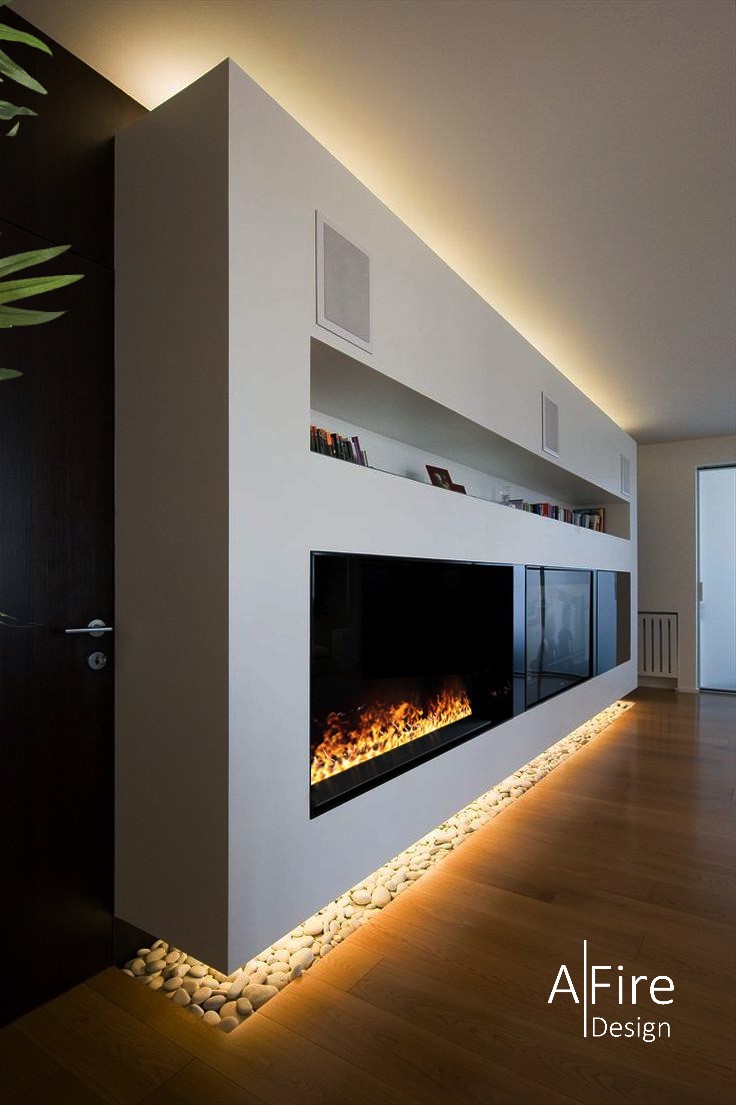
Water vapor fireplaces offer numerous advantages in the world of interior design. First of all, they add an aesthetic dimension and a unique atmosphere to any living space. They are also incredibly versatile in terms of design and can be integrated into a wide variety of decorative styles, from sleek modern interiors to more traditional settings. Their vent-free design allows for easy and flexible installation, enabling designers to position them virtually anywhere in a room without the constraints associated with traditional fireplaces.
Water Vapor Technology for Ultimate Ease of Use
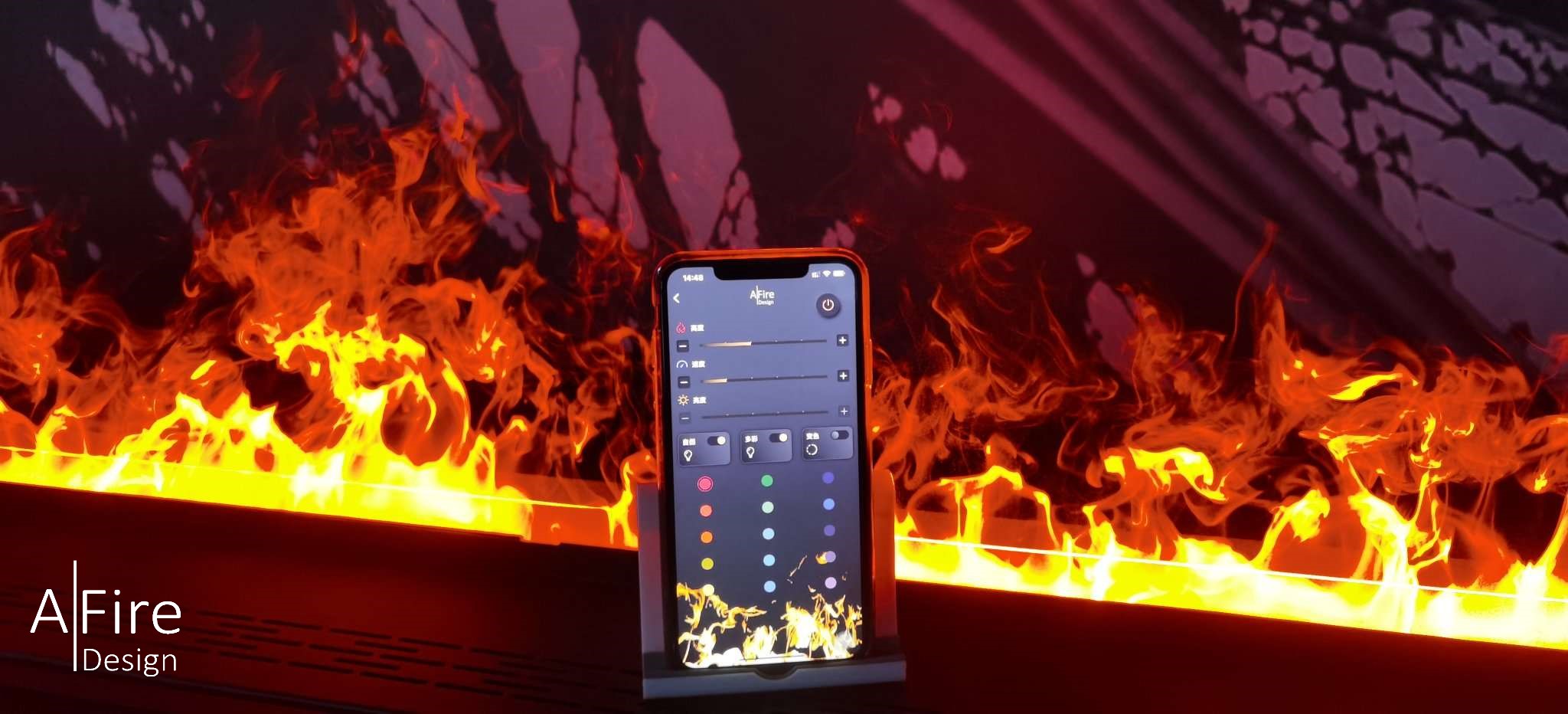
Water vapor fireplaces offer a wide range of benefits thanks to their modern technology and adaptability to users' needs. Their intuitive operation makes them easy to control at the touch of a button. On-unit controls, a remote control, and a dedicated smartphone app provide a smooth and user-friendly experience. The advanced technology of AFIRE connected fireplaces makes it quick and easy to adjust the desired ambiance. Depending on the model, users can adjust the flame color, speed, intensity, and brightness.
A fireplace that does not heat: disadvantage or advantage?
A water vapor fireplace is first and foremost a decorative fireplace. Its purpose is to create the spectacle of fire and a striking focal point in the room, not to heat the home.
When choosing a water vapor fireplace, however, a model with a heater may initially seem appealing: why not combine the useful with the enjoyable? Some models therefore combine the flame effect with electric heating. But neither the water vapor nor the flame produces this heat: it comes from a separate electric heating system, generally consisting of a heating element and a fan.
The difference in electricity consumption is considerable. The electrical power draw of a water vapor fireplace with a heater can easily exceed 1,000 W and reach 2,400 W, depending on the model. To put this into perspective, a 100 cm Aquafire® fireplace uses only 55 W for LITE, 87 W for ADVANCE, and 130 W for PRESTIGE. When the heater is operating, electricity consumption can therefore be around ten times higher, or even more depending on the appliance.
The absence of a heater also preserves one of the main advantages of water vapor technology: a fireplace with cool flames that does not intentionally create an accessible hot surface. This is particularly important around children, elderly people, or more generally whenever the goal is to enjoy the spectacle of fire without the burn risks associated with a heat source.
There is also a design question worth considering: in an appliance that uses water and continuously produces vapor that may condense, is it really necessary to add a high-power electrical supply and a high-temperature heating element nearby when neither is involved in creating the flames?
Ultimately, a decorative fireplace and a heating system serve two different purposes. If the objective is to heat a home efficiently, there are systems specifically designed for that purpose. A water vapor fireplace can then focus on what it is really designed to do: create the pleasure and spectacle of fire, with cool flames and very low electricity consumption.
Advantages of water vapor fireplaces: economic aspects and freedom from constraints
The advantages of a cold-flame water vapor fireplace in terms of energy consumption are considerable. Using water as the main element for creating the flame effect, these water-and-electricity hybrid fireplaces are both eco-friendly and economical. Their cool flames require very little energy, resulting in very low operating costs. Using only tap water and very little electricity, water vapor electric fireplaces offer an economical and hassle-free solution for private homes as well as public spaces such as hotels, restaurants, and shops. There is also no need to purchase, store, or arrange deliveries of fuel: the water required to create the flames simply comes from the tap.
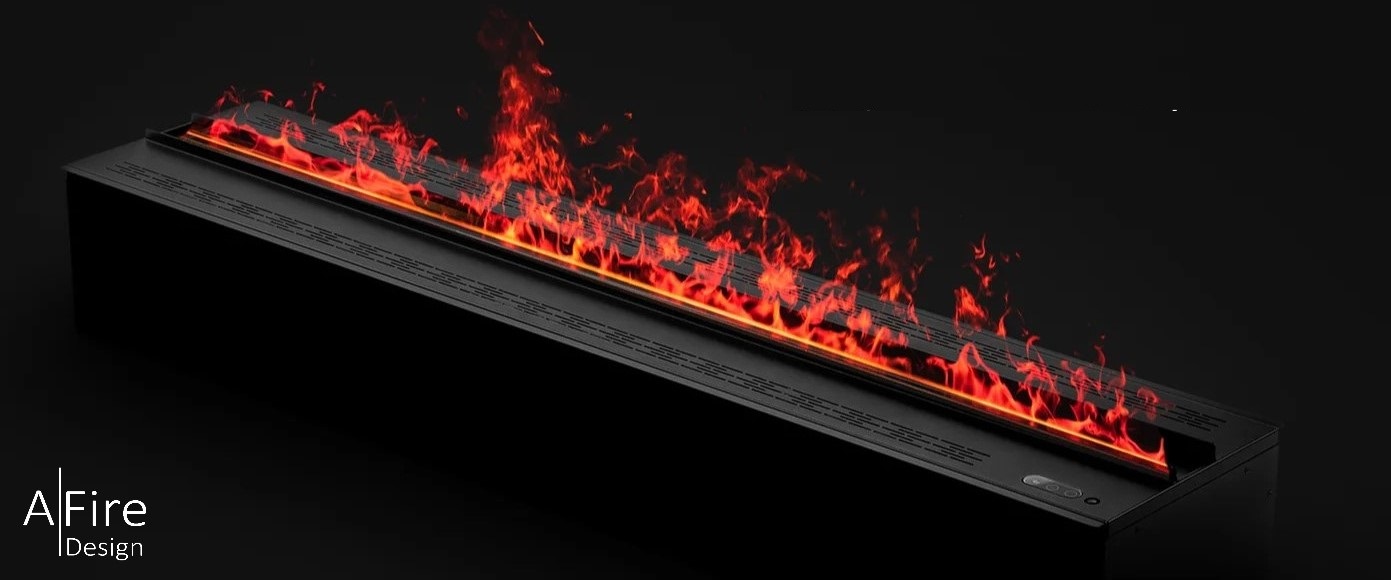
To conclude on the advantages and disadvantages of water vapor fireplaces
Water vapor fireplaces offer a different approach to decorative fire. With no combustion, no chimney or flue, and cool flames, they create the spectacle of fire with exceptional freedom of integration, whether in homes, professional spaces, or public venues.
They operate simply with water and electricity, with no wood, gas, or bioethanol to store or replenish. Their low electricity consumption, ease of use, and limited maintenance requirements are also important advantages in everyday use.
Finally, a water vapor fireplace is first and foremost a decorative fireplace, not a heating appliance. The absence of combustion and high heat is therefore not a missing feature: it is an inherent characteristic of this technology, allowing you to enjoy the spectacle of fire with cool flames all year round, without unnecessarily heating the room.
Looking for inspiration? Discover our Aquafire® water vapor fireplace installations and design ideas on Pinterest.